
How to Tell Whether an AI Citation Is Real, Relevant, and Up to Date
AI citations can look credible even when the source does not exist, does not support the claim, or is no longer current. This guide shows how to verify all three before relying on an AI-generated citation at work.

How to Fact-Check a ChatGPT Answer Step by Step
ChatGPT can produce a convincing answer that contains one wrong number, outdated fact, unsupported claim, or misleading citation. This guide shows you how to fact-check ChatGPT answers step by step, prioritize the claims that matter, verify them against reliable sources, and decide what is safe to use.

How to Verify Sources and Citations From ChatGPT: A Practical Checklist
ChatGPT can provide convincing citations that are incomplete, mismatched, or wrong. This guide shows a practical workflow for checking whether a source exists, whether its metadata is accurate, and whether it truly supports the claim you plan to use at work.
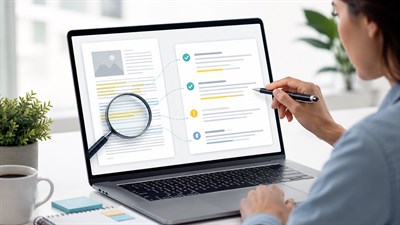
How to Check an AI-Generated PDF Summary Against the Original Source
An AI-generated PDF summary can look accurate while quietly changing numbers, dropping caveats, or missing important sections. This guide shows how to compare a summary with the original PDF using a repeatable source-verification workflow.
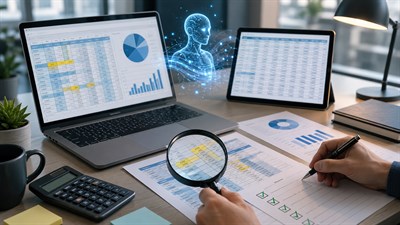
How to Verify AI-Generated Spreadsheet Analysis Before You Trust It
AI can analyze a spreadsheet in seconds, but a convincing answer is not the same as a verified one. Learn how to check the data, calculations, filters, assumptions, and conclusions before using AI-generated analysis at work.

Hallucination Patterns Across Different AI Models: What Changes and What Doesn’t
Different AI models do not always fail in the same way. Some invent facts, others distort sources, overextend reasoning, or confidently fill gaps in missing context. This guide explains the most common hallucination patterns and how to catch them before they affect real work.

Why Confident AI Answers Are Often Wrong
AI does not need to know that an answer is true to make it sound convincing. This guide explains why language models can be confidently wrong, where that becomes dangerous at work, and how to separate fluent AI output from verified information.

Real Business Disasters Caused by AI Hallucinations
AI hallucinations have already triggered court sanctions, customer disputes, refunds, subscription cancellations, and reputational damage. These real business cases show what happens when convincing AI output reaches customers, courts, or decision-makers without proper human verification.

Cross-Tool Verification: Why One Model Is Not Enough for Reliable AI Decisions
Most AI users verify nothing beyond “does this sound correct?”. That is a major operational risk. This article explains how cross-tool verification works, why different AI systems fail differently, and how to build practical multi-model validation workflows before making business, legal, technical, or strategic decisions.

Structured Verification Frameworks for AI Output: How to Validate AI Responses Before Acting on Them
AI answers can sound convincing while still being incomplete, outdated, or wrong. This article explains how structured verification frameworks help professionals systematically validate AI output before using it in reports, operations, decisions, or client-facing work.

Shadow AI in Organizations: Hidden Risk Layer
Employees increasingly use AI tools without formal approval, creating a hidden layer of organizational risk known as Shadow AI. This article explains how Shadow AI emerges, why it threatens security and compliance, and how organizations can reduce exposure without blocking innovation.

Enterprise AI Security: What Individuals Should Understand
Enterprise AI tools are rapidly entering the workplace, but many employees still misunderstand how AI security, privacy, logging, and data retention actually work. This guide explains the practical security risks of workplace AI, how enterprise AI environments differ from public AI tools, and what individuals must understand before using AI systems with sensitive company information.

Bias Amplification in Corporate Use of AI: How Hidden Framing Distorts Business Decisions
AI doesn’t just reflect bias — it amplifies it. This guide explains how corporate use of AI can distort decisions through framing, data bias, and prompt design, and what professionals must do to stay in control.

How AI Framing Affects Strategic Thinking: Hidden Biases That Shape Your Decisions
AI doesn’t just answer — it frames reality. This article explains how framing biases from AI influence strategic thinking, distort decisions, and what professionals must do to stay in control.

Human-in-the-Loop: The Only Safe Way to Use AI in Critical Tasks
Human-in-the-loop is not optional in critical AI use. This article explains why human oversight is essential, where it must exist, and how to design safe AI workflows for high-stakes tasks.

Where AI Should Not Be Used: High-Stakes Decisions Explained
AI can assist thinking — but it should not be used for high-stakes decisions. This article explains where AI should not be used, how to identify high-risk contexts, and why responsibility must remain human.

Using AI at Work Without Violating Privacy or NDAs
Using AI at work can easily cross privacy or NDA boundaries. This guide explains how to use AI safely in professional environments without exposing confidential data or violating agreements.

What Data You Should Never Share With AI Tools
AI tools feel harmless — until sensitive data is shared. This guide explains what data you should never share with AI tools, why it’s risky, and how to protect privacy in real work.

How to Detect AI Hallucinations Before They Cost You
Learn how to detect AI hallucinations early — before they cause real damage. Practical warning signs, checklists, and verification steps for real work.

Why AI Hallucinates: Causes, Patterns, and Warning Signs
AI hallucinations are a structural behavior, not a bug. This article explains why AI hallucinates, common patterns behind it, and warning signs that indicate unreliable outputs.